
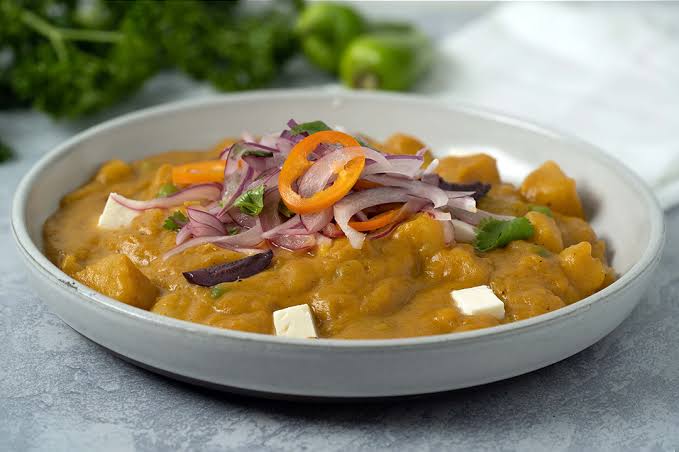
Best Locro de Zapallo Near Me: Where to Find This Traditional Andean Dish
Locro de zapallo is a traditional South American comfort food made with squash, potatoes, cheese, and other simple ingredients. This thick and creamy dish is especially popular in Peru and Ecuador, where it is enjoyed as a warm homemade meal. Its rich flavor, soft vegetables, and smooth texture make it a satisfying choice for lunch or dinner. If you are searching for the best locro de zapallo near me, understanding its ingredients, traditional preparation, and where to look for authentic versions can help you find a delicious bowl.
Quick Information Box
| Detail | Information |
|---|---|
| Dish Name | Locro de Zapallo |
| Food Category | Traditional Andean Stew |
| Origin | Andean South America |
| Popular Countries | Peru and Ecuador |
| Main Ingredient | Pumpkin or Squash |
| Other Ingredients | Potatoes, Cheese, Milk, Onion |
| Taste | Creamy, Mild, and Savory |
| Texture | Thick and Soft |
| Best Time to Enjoy | Lunch or Dinner |
| Serving Style | Hot, Often with Rice |
What Is Locro de Zapallo?
Locro de zapallo is a traditional vegetable-based stew made mainly with pumpkin or squash. The word locro is connected to the Quechua language and refers to an old style of thick soup or stew enjoyed in the Andean region. The dish combines local vegetables with simple seasonings to create a filling and comforting meal. Depending on the recipe, it can include potatoes, corn, milk, cheese, and fresh herbs.
This dish is especially well known in Peruvian and Ecuadorian cooking, although recipes differ between families and regions. Some versions are smooth and creamy, while others contain visible pieces of vegetables and potatoes. Peruvian preparations often include ají amarillo for a gentle pepper flavor, while Ecuadorian versions may use fresh cheese, corn, and local squash. These differences make locro de zapallo an interesting dish to explore.
History and Cultural Background
Locro has a long history in the Andean region of South America. Its roots are connected to Indigenous food traditions, where locally available vegetables, potatoes, corn, and other ingredients were cooked together in large pots. These meals provided nourishment using affordable ingredients that were commonly grown in mountain communities. Over time, different regions developed their own versions of traditional locro.
The arrival of European ingredients also influenced how the dish was prepared. Milk, cheese, and other ingredients gradually became part of several regional recipes, creating the creamy versions enjoyed today. This history helps explain why locro de zapallo has different flavors and preparation styles across South America.
Ingredients and Traditional Flavors
The main ingredient in locro de zapallo is pumpkin or squash, which gives the dish its natural sweetness, color, and thick texture. Potatoes help make the stew more filling, while milk and cheese create a creamy finish. Onion and garlic provide a savory base, and herbs add freshness to the overall flavor. Some recipes also include corn, beans, or mild chili peppers.
Common ingredients include:
-
Pumpkin or squash for the main flavor and texture.
-
Potatoes to make the stew thick and satisfying.
-
Fresh cheese for a creamy and slightly salty taste.
-
Milk to create a smooth consistency.
-
Onion and garlic for a rich cooking base.
-
Ají amarillo for mild heat in some Peruvian recipes.
-
Corn and herbs for additional flavor and texture.
The final taste depends on the type of squash and the cooking method. A naturally sweet pumpkin creates a softer flavor, while cheese and seasonings balance that sweetness. Traditional Ecuadorian recipes may also include beans, corn, and quesillo, giving the dish a slightly different texture.
How to Find Locro Nearby
Finding authentic locro de zapallo can take some searching because it is not a common menu item in every country. If you are looking for the best locro de zapallo near me, start by checking Peruvian restaurants, Ecuadorian restaurants, and South American food businesses in your area. These places are more likely to understand the traditional ingredients and preparation methods.
You can also use restaurant search applications to explore nearby menus and customer reviews. Try searching for different names, including pumpkin locro, Peruvian pumpkin stew, and traditional Ecuadorian locro. Some restaurants may list the dish under a general soup or traditional food category instead of using its full Spanish name.
For people searching in Hyderabad, Sindh, Pakistan, a restaurant currently serving authentic locro de zapallo could not be confirmed. It would be better to contact South American food businesses, if available, and ask about their menus before making a visit.
What Makes a Great Locro?
A great bowl of locro de zapallo should have a thick, creamy texture without feeling too heavy. The squash should be properly cooked so that it becomes soft and blends naturally with the potatoes. At the same time, a good preparation should retain some vegetable pieces to give the dish an interesting texture. The seasoning should balance the natural sweetness of the squash.
Fresh ingredients also make a noticeable difference. Good-quality cheese adds richness, while fresh onion, garlic, and herbs create a pleasant aroma. If the recipe includes ají amarillo, its flavor should complement the vegetables rather than overpower them. A carefully prepared bowl should taste comforting, balanced, and fresh.
Best Ways to Enjoy Locro
Locro de zapallo is usually served hot as a main meal or a filling lunch. In Peru, it is commonly enjoyed with white rice, which works well with its thick and creamy consistency. Some versions also include fresh cheese, herbs, or additional vegetables. The combination creates a balanced meal with different textures and flavors.
There are several ways to enjoy this traditional dish:
-
With white rice for a complete and filling meal.
-
With fresh avocado for a smooth and refreshing contrast.
-
With toasted corn for an extra crunchy texture.
-
With fresh herbs for a lighter and more fragrant flavor.
-
With mild chili sauce for people who enjoy a little heat.
The best combination depends on the regional recipe and personal taste. If you are trying locro de zapallo for the first time, a traditional version with rice and fresh cheese is a good starting point. You can then explore other variations to discover which ingredients and flavors you enjoy most.
Homemade and Restaurant Options
One advantage of locro de zapallo is that it can be prepared at home without complicated cooking equipment. Most recipes use basic ingredients that are easy to prepare, including squash, potatoes, onions, garlic, milk, and cheese. The vegetables are cooked until soft, and some are mashed to create a thick consistency. This makes homemade locro a practical option when an authentic restaurant is not available nearby.
Restaurant versions can offer a different experience because traditional cooks may use regional ingredients and family recipes. Some preparations include special seasonings, different types of squash, or additional vegetables. When visiting a restaurant, ask whether the dish is freshly prepared and which ingredients are included. This can help you understand whether the meal matches the traditional style you want to experience.
If you cannot find locro de zapallo locally, preparing it at home is a useful alternative. Butternut squash or kabocha pumpkin can work in many recipes when traditional South American squash is unavailable. Fresh cheese and mild seasoning can help create a similar comforting flavor.
Häufig gestellte Fragen
1. What is locro de zapallo made of?
Locro de zapallo is mainly made with pumpkin or squash, potatoes, onion, garlic, milk, and cheese. Some recipes also include corn, beans, herbs, and mild chili peppers.
2. Is locro de zapallo a Peruvian dish?
Yes, locro de zapallo is popular in Peruvian cooking. It is also prepared in Ecuador and other parts of South America, with different regional ingredients and cooking methods.
3. Where can I find the best locro de zapallo near me?
Look for Peruvian and Ecuadorian restaurants in your area. Check their menus or contact them directly to confirm whether they serve authentic locro de zapallo.
4. Can locro de zapallo be made without cheese?
Yes. You can prepare it without cheese by using squash, potatoes, vegetables, and seasonings. The result will still be delicious, although the texture and flavor may be less creamy.
5. Is locro de zapallo served with rice?
Yes. White rice is a popular accompaniment, especially in Peru. It complements the thick texture and savory flavor of the stew, making the meal more filling.
Shabana Mahmood Husband: Marriage, Personal Life, Family and Political Career
1 Comment